
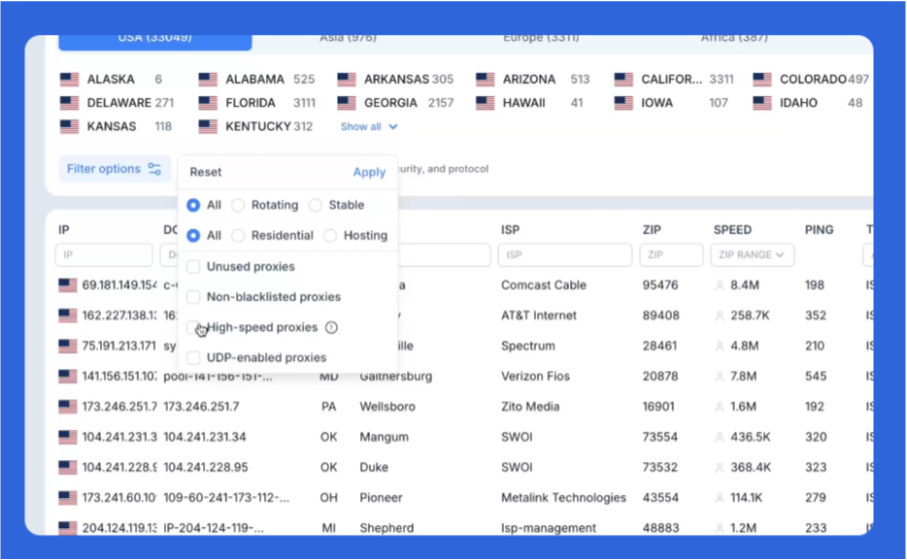
Residential proxies help teams view digital content through real household type IPs, which makes location based checks more realistic. For analysts, marketers, and compliance teams, the INSOCKS residential proxy option can support cleaner geo targeted research when data must reflect how pages, prices, ads, or search results appear in specific regions ✨. This guide explains use cases, setup logic, and conditions for structured online research.
Why residential proxies improve research quality
Geo targeted research depends on context. A website can show different prices, languages, rankings, ads, shipping options, or access rules depending on visitor location. Residential proxies reduce the gap between laboratory testing and real user visibility because requests appear closer to normal consumer traffic.
Core research tasks
Residential proxies are often used for market observation, localization checks, ad verification, competitor tracking, and search result monitoring. They can help compare how one product page behaves in several cities or countries. They also support repeated checks over time, which matters during campaigns or seasonal demand ✨.
- ✅ Check regional page versions
- ✅ Compare localized prices
- ✅ Verify ads and landing pages
- ❌ Avoid mixing locations inside one test batch
Simple setup guide
A clean workflow starts with a defined research goal. The team should choose target countries, select suitable proxy sessions, configure the browser or research tool, then run a small test before full data collection. Results should be saved with time, location, device type, and query details.
Conditions for better results
Good proxy use is not only about IP access. Research quality also depends on timing, session control, tool configuration, and ethical data handling.
| Condition | Recommended approach | Research value |
|---|---|---|
| Target location | Match proxy country to research market | More accurate local visibility |
| Session length | Keep sessions stable for one task | Fewer inconsistent results |
| Data timing | Repeat checks at planned intervals | Better trend comparison |
| Tool settings | Align browser language and device profile | Cleaner regional signals |
Information block for clean methodology
- ✅ Use one clear location per test batch. Mixing markets in one dataset can distort interpretation.
- ✅ Record every test variable before comparing results. Time, region, query, and page type all matter.
- ❌ Do not treat one screenshot as full proof. A single result can be affected by personalization, timing, or temporary site behavior.
Common mistakes to avoid
Poor planning can make proxy research noisy. Common errors include switching locations too quickly, forgetting browser language settings, or comparing data collected at different times. Another risk is collecting raw information without a research question, which creates volume but not insight.
Practical business value
Residential proxies are helpful when teams need localized evidence for decisions. They can support pricing reviews, SEO checks, ad quality audits, fraud prevention research, and regional user experience testing. With careful documentation, they turn scattered web observations into structured intelligence ✨.
Smarter geo targeted decisions
Cleaner geo targeted research comes from consistent method, stable proxy conditions, and disciplined data review. Residential proxies can make digital markets easier to compare across regions. For businesses that work across borders, this approach supports decisions based on observed reality rather than guesswork.